
Chess
India Keeps the Gaprindashvili Cup: On the Throne, But the Crowns Are Gone
Cúp Nona Gaprindashvili tại Olympiad cờ vua 2026 tiếp tục thuộc về Ấn Độ, nhưng Ấn Độ không giành huy chương vàng ở bảng Open lẫn bảng Nữ. Chiếc cúp này phản ánh chiều sâu hệ thống hai đội tuyển chứ không phải sức mạnh đỉnh cao của một bảng đấu. Key facts: - Ấn Độ vô địch Cúp Gaprindashvili lần thứ ba liên tiếp (Chennai 2022, Budapest 2024, Samarkand 2026). - Bảng Open: Uzbekistan vàng, Ấn Độ bạc, Đức đồng; Ấn Độ thắng tie-break đối đầu với Đức. - Bảng Nữ: Trung Quốc vàng trước một vòng đấu, Kazakhstan bạc, Ấn Độ đồng. - Koneru Humpy thắng bàn 1; Savitha Shri B, 17 tuổi, hòa trận quyết định gặp Georgia. - Dữ liệu Olympiad 2026 cần xác minh với kết quả chính thức của FIDE. Nguồn: Stage-2 Deep Chess Analysis (nguồn tin không được nêu tên, cần xác minh với FIDE) Related Q&A: - Hỏi: Vì sao Ấn Độ giữ Cúp Gaprindashvili nhưng không có huy chương vàng nào? Đáp: Vì Cúp Gaprindashvili tính tổng thành tích hai bảng Open và Nữ, phản ánh chiều sâu toàn diện, không phải sức mạnh đơn lẻ. - Hỏi: Uzbekistan vô địch bảng Open 2026 có ý nghĩa gì? Đáp: Lần thứ hai vô địch trên sân nhà sau 2022, khẳng định mô hình đào tạo trẻ của cờ vua Uzbekistan. - Hỏi: Đâu là dấu hiệu đáng chú ý nhất của cờ vua Ấn Độ tại giải này? Đáp: Việc trao trọng trách ván quyết định cho Savitha Shri B, 17 tuổi, cho thấy chiều sâu tuyến trẻ.
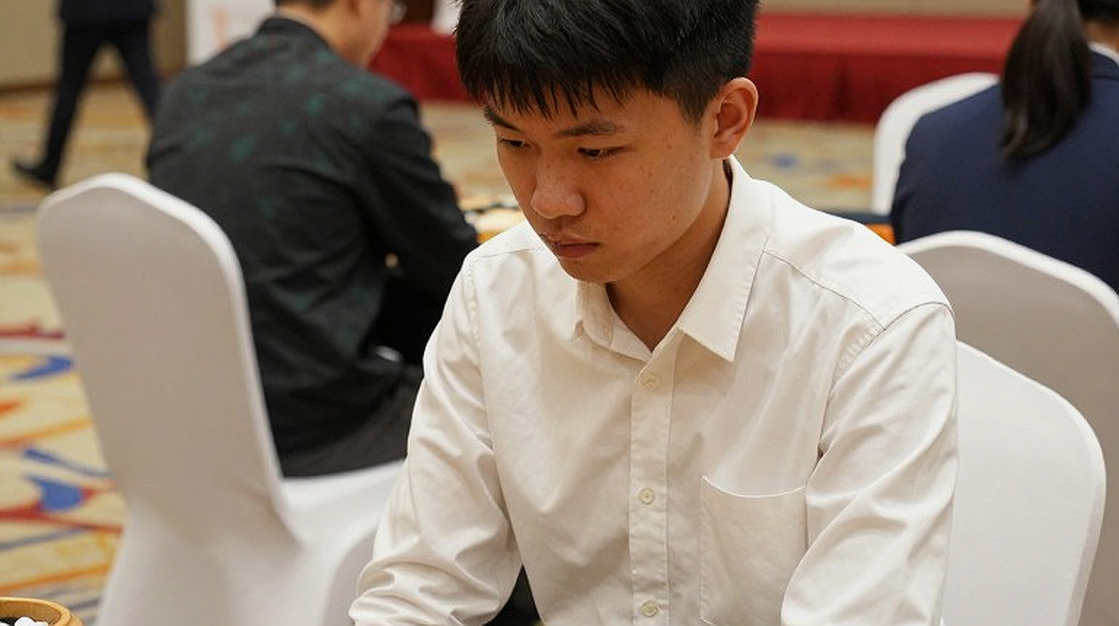
Samarkand, the final night of the 2026 Chess Olympiad. Savitha Shri B, seventeen years old, sits at board three in the decisive match against Georgia. The clock is running, and the entire Indian women's team understands that a loss could end their dream of defending the Gaprindashvili Cup for a third consecutive time. The young girl did not win, but she did not lose either. That draw was enough for India to keep the precious trophy, and enough for me to remember the story of seventeen-year-old prodigies – people who do not yet know they are about to become legends.
Three Olympiads, three times India stood at the highest step of the combined team award. Chennai 2026, Budapest 2026, Samarkand 2026 – the Gaprindashvili Cup, awarded to the federation with the best combined performance in the Open and Women's sections, has been engraved with a single nation's name again and again. This is a special metric, created by FIDE in 2026, named after the first woman ever to earn the Grandmaster title. Unlike ordinary team championships, this cup does not celebrate a single section; it demands parallel strength from both national teams.
Yet the most telling detail lies in the sub-scores. India won no gold medal at all. In the Open section, they finished behind Uzbekistan – the host nation, which repeated its miracle from 2026. In the Women's section, they stood behind China, champions with a round to spare, and behind Kazakhstan. Gold: none. Silver: one. Bronze: one. But the Gaprindashvili Cup still belongs to India.
India finished the Open with 18 match points and 28.5 game points, exactly level with Germany. The silver did not come from a convincing victory or a brilliant game, but from a tie-break clause: head-to-head record, where India had beaten Germany. The game that made the difference had been played days earlier. The rule chose India – not because they played better than Germany in Samarkand, but because they had won when it mattered.
The final round against Georgia also ended 2–2. Koneru Humpy, the board-one veteran, won the most important game. Beside her, Savitha Shri B – oblivious to the pressure of an Olympiad – held the line and turned the draw into the team's anchor. The strange part is that India did not need to win; they only needed not to lose. That is a mindset of a system deep enough to avoid collapse, but also a team that has lost its knockout punch.
The real story of this cup lies in its history. FIDE created it to encourage federations to invest in both women's and open chess. India winning it three times in a row shows a system wide enough to nurture two teams at once. But if we had to name the strongest chess nation in each section, India would not be chosen either time. Uzbekistan in the Open. China in the Women's. Only when the results are combined does India rise above all – a paradox that questions how we define strength in team chess.
Uzbekistan deserves more attention. In 2026, their Chennai triumph was called a home miracle. In 2026, they repeated it in Samarkand. It is time to stop calling it a miracle. Uzbekistan has a formidable youth pipeline, a long-term federation plan, and the belief of an entire nation. When a small country can beat every traditional chess power, that is a development model, not luck.
China remains an intriguing variable. Their women's team won with a round to spare – absolute dominance. But their Open team did not reach the podium. Even a superpower faces the depth problem. And on that equation, India – quietly – seems to have a better answer.
One thing Indian media may not say: the cup is hiding a decline. In 2026, India won gold in both sections. In 2026, they returned with silver and bronze. They remain the most complete federation, but they are no longer the strongest in any single section. "Dominant power" is a beautiful phrase, but it does not fit the numbers. Domination means standing first. India does not stand first. They stand highest only when both sections are combined – like an athlete finishing second in two events yet winning the all-around gold. Admirable, but not the fastest.
As for Savitha Shri B – she may never appear in the official story of the 2026 Olympiad. History will remember Koneru Humpy and her decisive win. History will remember Uzbekistan, China, and the three-peat trophy. But I will remember a seventeen-year-old girl sitting in silence, facing a rival nearly twice her age, holding the line in a match her whole country depended on. Savitha did not lose. She drew. A small footnote, enough for a veteran journalist to write about.
It would be easy to congratulate India. And India deserves it. But the real question is not how long they keep the cup, but when they return to the top of a single section. Chess history will remember Uzbekistan's home gold, China's dominance, Kazakhstan's surprise silver. It will also remember India and the trophy. But that trophy, as I have written over three decades, has never been the true measure of sport. The dreams of seventeen-year-old girls like Savitha Shri B are written in moves – not in trophies. And when the next season begins, no one will ask who holds the cup. They will ask who dares to attack.
Cầu thủ liên quan
Bài nổi bật
India Keeps the Gaprindashvili Cup: On the Throne, But the Crowns Are Gone2026-09-28
The Elephant Gambit and the Trap That Isn't on the Board2026-09-25
Nihal Sarin and the Price of Risk: India Stumbles at the Olympiad2026-09-24
Master Class Vol. 20 – Bent Larsen: When Carlsen's '60-Minute Weapon' Becomes a Promise for Club Players2026-09-20
FIDE Votes on September 26: The Promise to Bring Magnus Carlsen Back and the Conflict-of-Interest Fracture2026-09-19
Samarkand, September 26: FIDE's Power Game and the Promise to Bring Carlsen Back2026-09-19
The 9...a5 Move and the Data Gap in a Chess Opening Product2026-09-18
Chess Under the Verification Squeeze: More Data, Thinner Trust2026-09-17
Bài đề xuất
The 9...a5 Move and the Data Gap in a Chess Opening Product2026-09-18
US Championships: Woodward Takes Down Caruana, Lee Widens the Lead2026-10-16
Nihal Sarin and the Price of Risk: India Stumbles at the Olympiad2026-09-24
Master Class Vol. 20 – Bent Larsen: When Carlsen's '60-Minute Weapon' Becomes a Promise for Club Players2026-09-20
Chess Olympiad 2026 in Samarkand: 11 Rounds, 4 Boards, 1 Reserve — and India's Double Crown to Defend2026-09-16
FIDE Votes on September 26: The Promise to Bring Magnus Carlsen Back and the Conflict-of-Interest Fracture2026-09-19
Chess Olympiad 2026: The Torch Reaches Samarkand and the Three Titles That Need Verifying2026-09-16
The Elephant Gambit and the Trap That Isn't on the Board2026-09-25
Bài đề xuất
Samarkand, September 26: FIDE's Chessboard Without Pieces2026-09-19
2026 Chess Olympiad Round 9: Gukesh Escapes at Move 54 and the Price of a Lone Victory2026-09-27
Germany's Win at Samarkand and the Advertorial Heist of the Content Economy2026-09-25
FIDE Votes on September 26: The Promise to Bring Magnus Carlsen Back and the Conflict-of-Interest Fracture2026-09-19
FRITZ 20 and the Real Bottleneck of Vietnamese Chess: Better Tools Do Not Automatically Create Better Players2026-09-24
King's Indian, Bayonet Attack and 9...a5: When an Opening Antidote Looks Too Good on the Box2026-09-19
India Stranded Without Rooms in Samarkand: The Five Hours Before Round One of the 2026 Chess Olympiad2026-09-16
India Keeps the Gaprindashvili Cup: On the Throne, But the Crowns Are Gone2026-09-28